Ever felt like your brain runs on a different Wi‑Fi network, one that’s constantly buffering when the world switches its signal? If you’re an adult who suspects a hidden autism diagnosis, you’re not alone. This guide unpacks the adult autism assessment for autism spectrum disorder executive function assessment, explaining why it matters, how it’s conducted, and what you can do with the results. We’ll sprinkle in a dash of humor, a few real‑life anecdotes, and a quote that reminds us we’re wired, not broken.
Why Adult Autism Assessment Matters
The Hidden Diagnosis
Many adults discover their autism diagnosis only after years of misinterpretation. They might have been labeled “shy,” “quirky,” or “high‑functioning,” missing the underlying executive function challenges that shape daily life. Recognizing this can:
- Validate experiences that once felt inexplicable. Open access to tailored support and accommodations. Improve mental health by reducing self‑blame.
The Executive Function Connection
Executive function is the brain’s traffic control system—planning, prioritizing, switching tasks, and regulating emotions. When it’s off‑track, everyday tasks can feel like a maze. Understanding how it ties to autism helps you see the bigger picture and find practical solutions.
Executive Function: The Brain’s Traffic Control
What Is Executive Function?
Executive function refers to a set Autism in Girls & Women of cognitive processes that enable us to:
- Plan and organize tasks. Initiate actions without procrastination. Monitor progress and adjust strategies. Regulate emotions and impulses.
Think of it as the conductor of an orchestra; if the conductor is distracted, the music gets out of sync.
Why It Matters for Adults with Autism
Adults with autism often experience:
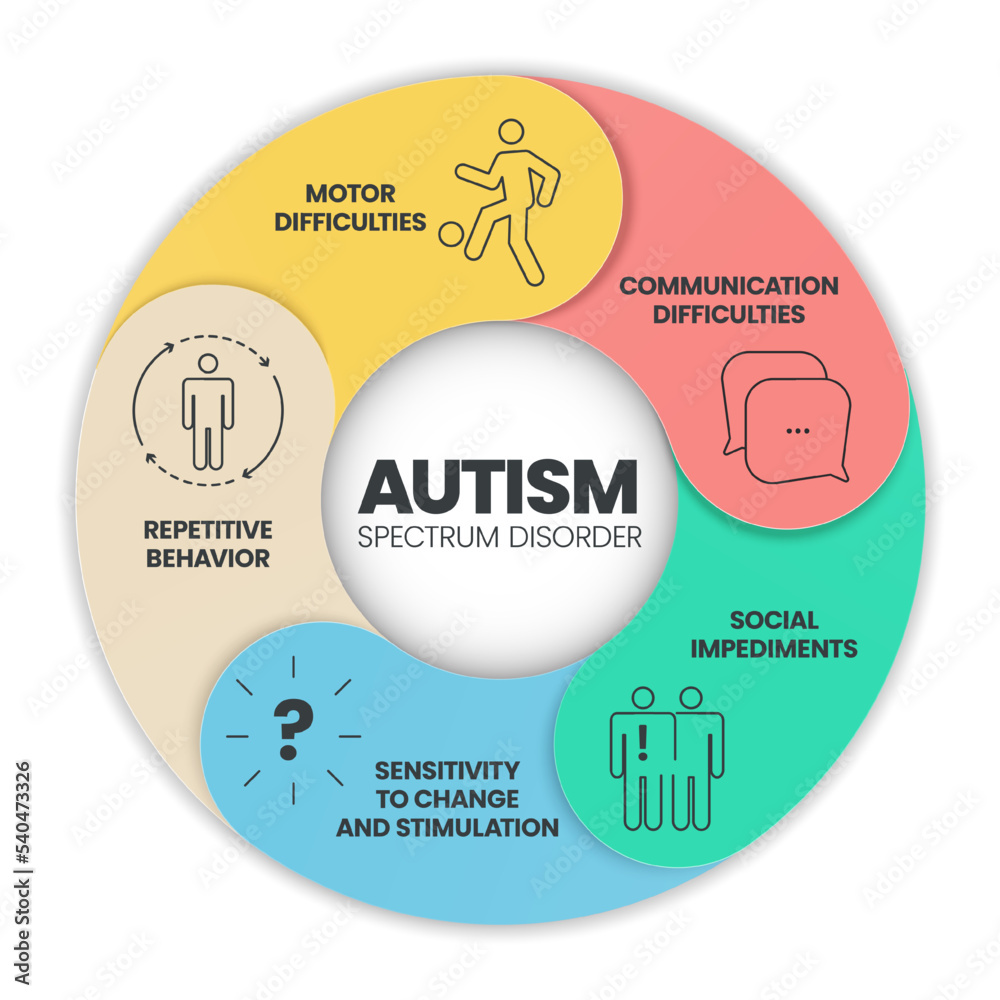
- Difficulty with time management—missed deadlines, late appointments. Challenges in social settings—reading non‑verbal cues, maintaining conversations. Stress from change—routine disruptions can feel like a full‑scale apocalypse.
By assessing executive function, clinicians can pinpoint specific strengths and weaknesses, leading to more precise interventions.
The Assessment Process: Step‑by‑Step
1. History Taking
- Personal and developmental history: When did symptoms first appear? What coping strategies have you used? Family history: Autism or related conditions in relatives. Current challenges: Work, relationships, daily routines.
2. Standardized Tests
- Behavior Rating Inventory of Executive Function – Adult (BRIEF‑A): Self‑report and informant versions. Wisconsin Card Sorting Test (WCST): Measures flexibility and problem‑solving. Trail Making Test (TMT): Assesses speed, sequencing, and attention.
3. Informal Observations
- Structured tasks: Completing a puzzle or organizing a workspace. Social interaction: Group discussions or role‑play scenarios.
4. Integration and Interpretation
Clinicians combine quantitative scores with qualitative observations to create a holistic profile. This profile reveals how executive function deficits manifest in everyday life.
Interpreting Results and Next Steps
Understanding Your Scores
- High scores on inhibition tasks may indicate impulsivity. Low scores on planning tasks suggest difficulties with organization. Variability across tests can reveal context‑specific challenges.
Limitations to Keep in Mind
- Cultural and linguistic factors can affect performance. Co‑occurring conditions (e.g., anxiety, ADHD) may influence results. Self‑report bias—you might under‑ or over‑estimate certain behaviors.
Planning Your Path Forward
- Therapeutic interventions: Cognitive‑behavioral therapy, coaching, or occupational therapy. Workplace accommodations: Flexible schedules, quiet spaces, clear instructions. Community resources: Support groups, skill‑building workshops.
Anecdote: Alex, a 32‑year‑old graphic designer, felt his creative spark was dampened by constant disorganization. After a comprehensive assessment, he discovered executive function deficits tied to autism. With coaching and workplace adjustments, Alex’s productivity surged, and he finally felt in control of his creative flow.
Making the Most of Your Assessment: Practical Tips
Build a Support Team
- Clinician: Provides assessment and guidance. Therapist: Offers strategies to manage daily challenges. Trusted friend or family: Helps monitor progress and celebrate wins.
Use Visual Aids
- Calendars and planners: Color‑coded tasks can reduce overwhelm. Checklists: Break large projects into bite‑size steps.
Leverage Technology
- Reminder apps: Set alerts for appointments and deadlines. Focus tools: Pomodoro timers or noise‑cancelling headphones.
Embrace Self‑Compassion
Remember the quote from Dr. Temple Grandin: “When we talk about autism, we must remember that the world is not broken, it's just wired differently.” Your brain’s wiring is unique—celebrate its strengths while working on its challenges.
Ask the Right Questions
- Have you noticed patterns in your daily routine that feel consistently difficult? Which tasks drain you the most, and why? What support would make the biggest difference for you?
These questions help you and your clinicians target interventions effectively.
The Road Ahead: Embrace the Journey
The adult autism assessment for autism spectrum disorder executive function assessment is more than a diagnostic tool—it’s a gateway to empowerment. By understanding your cognitive profile, you can:

- Navigate complex systems with confidence. Advocate for accommodations that respect your needs. Build resilience against the stressors that once seemed insurmountable.
Take the first step: schedule an appointment with a qualified professional. Remember, every great adventure starts with a single, sometimes awkward, question. And if you feel stuck, humor can be a great compass—after all, even a https://files.fm/u/698mm378at GPS gets lost sometimes, but it still gets you to the destination.
Your brain’s unique wiring is a map, not a maze. Let the assessment be your guide, and you’ll find that the journey, while challenging, can also be surprisingly rewarding.